
Attic Black Mold Removal in New Jersey: What Homeowners Need to Know
Attic Black Mold Removal in New Jersey: What Homeowners Need to Know
Attic black mold is a common issue for homeowners across New Jersey. Because attics are often poorly ventilated and exposed to temperature fluctuations, they create the perfect environment for mold growth. If left untreated, black mold can damage your home’s structure and potentially impact indoor air quality. Understanding the causes, warning signs, and proper removal methods can help you protect your home and family.
Why Black Mold Grows in Attics
Attics often become breeding grounds for mold because of moisture buildup. Several factors can cause this moisture problem, including:
- Poor attic ventilation
- Roof leaks or damaged shingles
- Bathroom or kitchen vents releasing moisture into the attic
- Improper insulation
- Ice dams during New Jersey winters
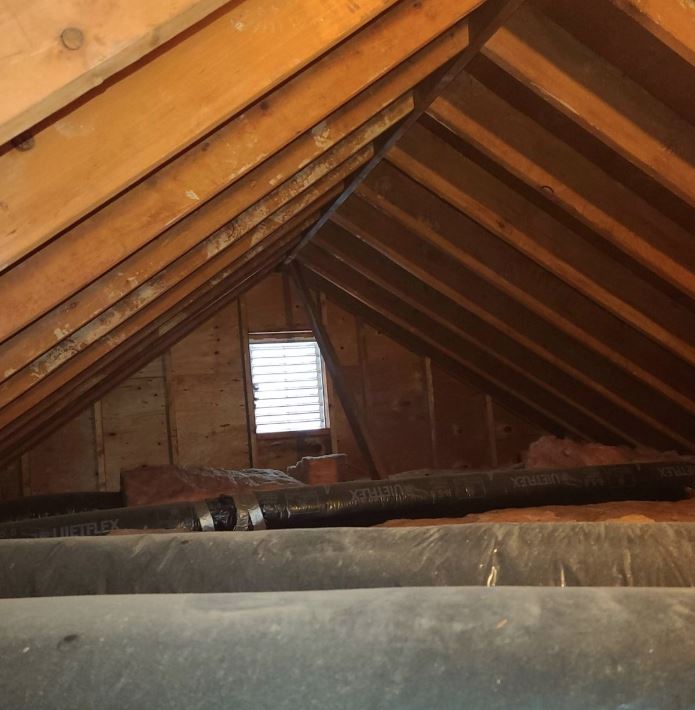
When warm, humid air rises from the living areas of your home and becomes trapped in the attic, condensation forms on wood surfaces. Over time, this moisture allows mold colonies to develop, especially on roof sheathing and rafters.
Black mold can begin forming in as little as 24–48 hours when moisture conditions are present.
Trained & Certified
Schedule an inspection today!
Signs You May Have Attic Black Mold
Because attics are not frequently visited, mold problems can go unnoticed for months or even years. Some common warning signs include:
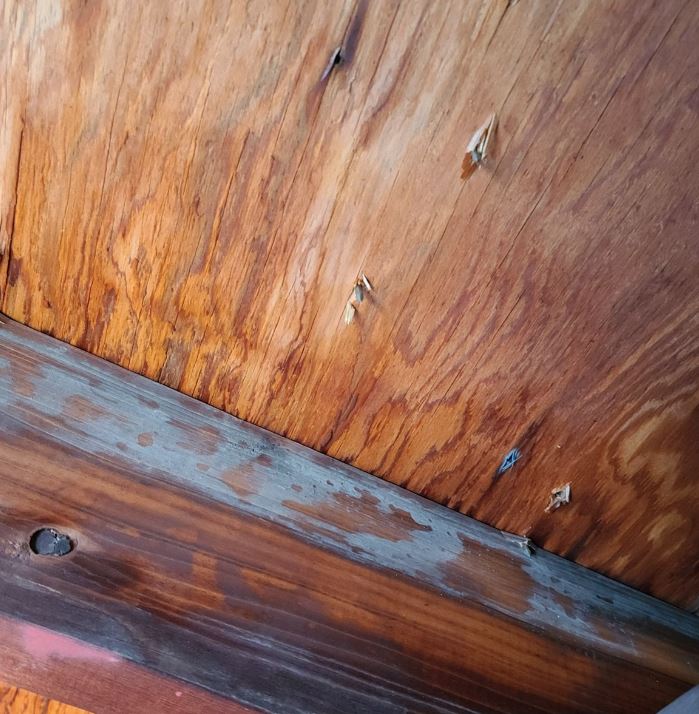
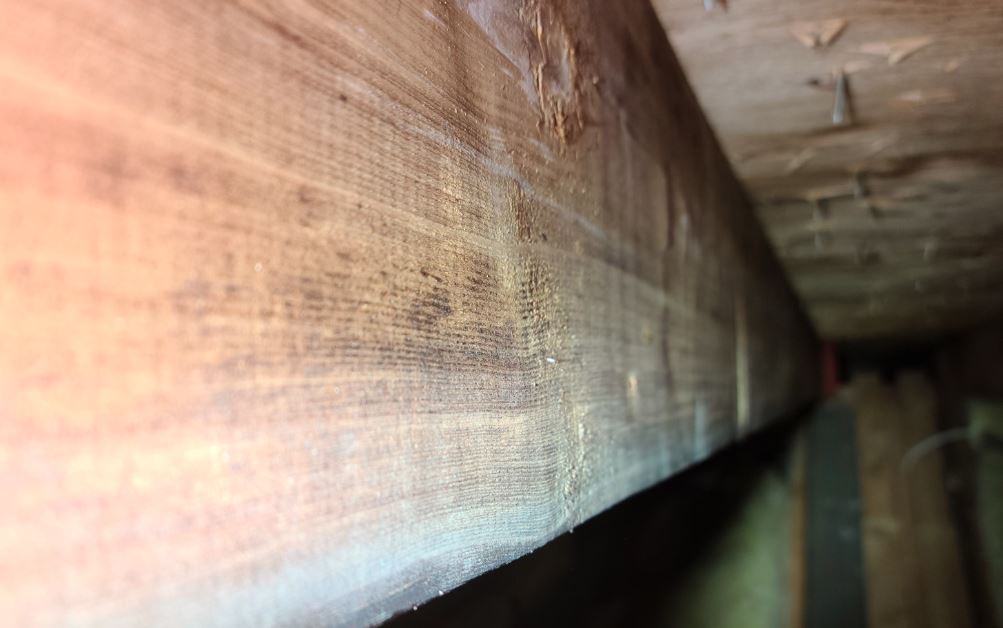
- Dark or black stains on attic wood or insulation
- A musty odor coming from upper levels of the home
- Visible mold patches on roof decking
- Increased allergy symptoms indoors
- Condensation on nails or attic surfaces
If you notice any of these signs, it’s important to schedule a professional inspection as soon as possible. Early detection can prevent costly structural repairs.
The Risks of Ignoring Attic Mold
Many homeowners assume attic mold is harmless because it’s not in the main living space. However, mold spores can travel through your home’s ventilation system and impact indoor air quality.
Untreated attic mold can lead to:
- Structural damage to wood framing
- Decreased home value
- Poor indoor air quality
- Spread of mold to other areas of the home
In humid regions like New Jersey, mold problems can worsen quickly if moisture issues are not addressed.
Professional Attic Black Mold Removal Process
Professional attic mold remediation companies follow a multi-step process to safely remove mold and prevent it from returning.
1. Inspection and Moisture Detection
A mold specialist first evaluates the attic to identify the extent of contamination and the moisture source. Moisture meters and thermal imaging may be used to detect hidden problem areas.
2. Containment
To prevent spores from spreading to the rest of the home, technicians set up containment barriers and use negative air machines with HEPA filtration.
3. Mold Removal and Cleaning
Contaminated surfaces are cleaned using specialized antimicrobial solutions. In severe cases, damaged materials such as insulation or wood may need to be removed and replaced.
4. Air Filtration
High-efficiency air scrubbers remove mold spores from the air during the remediation process.
5. Prevention and Repairs
The final step is correcting the moisture issue. This may involve improving attic ventilation, repairing roof leaks, or sealing air leaks from the home below.
Addressing the root cause is critical to ensure mold does not return.
Preventing Future Attic Mold Problems
Prevention is always more cost-effective than remediation. Homeowners in New Jersey can reduce the risk of attic mold by taking a few proactive steps:
- Ensure bathroom and kitchen vents exhaust outdoors—not into the attic
- Install proper attic ventilation systems
- Check your roof regularly for leaks
- Maintain proper insulation levels
- Schedule annual attic inspections
Winter conditions in the Northeast can also create ice dams, which allow melting snow to seep under roofing materials. Proper insulation and ventilation help minimize this risk.
Why Hire a Professional Mold Removal Company
While DIY mold cleaning products are widely available, attic mold removal often requires specialized equipment and training. Improper handling can release large amounts of mold spores into the air, spreading contamination throughout the home.
Professional mold remediation companies have the tools and experience to:
- Safely remove mold colonies
- Identify hidden moisture sources
- Prevent cross-contamination
- Restore healthy attic conditions
Because mold issues can affect home value and structural integrity, professional remediation is typically the safest long-term solution.
Frequently Asked question
What is asbestos testing?
Asbestos testing involves analyzing materials in your property to check for the presence of harmful asbestos fibers. These tests can help identify health risks associated with asbestos exposure.
What is asbestos testing?
Asbestos testing involves analyzing materials in your property to check for the presence of harmful asbestos fibers. These tests can help identify health risks associated with asbestos exposure.
What is asbestos testing?
Asbestos testing involves analyzing materials in your property to check for the presence of harmful asbestos fibers. These tests can help identify health risks associated with asbestos exposure.
What is asbestos testing?
Asbestos testing involves analyzing materials in your property to check for the presence of harmful asbestos fibers. These tests can help identify health risks associated with asbestos exposure.
What is asbestos testing?
Asbestos testing involves analyzing materials in your property to check for the presence of harmful asbestos fibers. These tests can help identify health risks associated with asbestos exposure.
Schedule an Attic Mold Inspection
If you suspect mold in your attic, taking action quickly can prevent the problem from spreading. A professional attic mold inspection can identify early signs of contamination and determine the best removal strategy.
For homeowners across New Jersey, addressing attic black mold promptly helps protect both your property and indoor air quality. Regular inspections, proper ventilation, and timely repairs are the best defenses against mold growth in your attic.