
If your basement takes on water in Middletown, the smartest fix is not to keep cleaning it up. It is to stop the water pathway, control moisture, and protect the foundation before the next storm turns a small seepage issue into flooring damage, mold growth, or structural repairs. In Middletown, that matters even more because the township has thousands of buildings in the Special Flood Hazard Area and local guidance specifically warns about both tidal and rainfall-induced flooding.
For many homeowners, basement waterproofing in Middletown, NJ is not just about keeping the basement dry. It is about protecting drywall, furniture, electrical systems, storage, indoor air quality, and the long-term value of the home. MMRG’s own service pages frame waterproofing as a long-term solution for flooding, mold prevention, and foundation moisture problems, not a cosmetic patch.
What basement waterproofing actually means
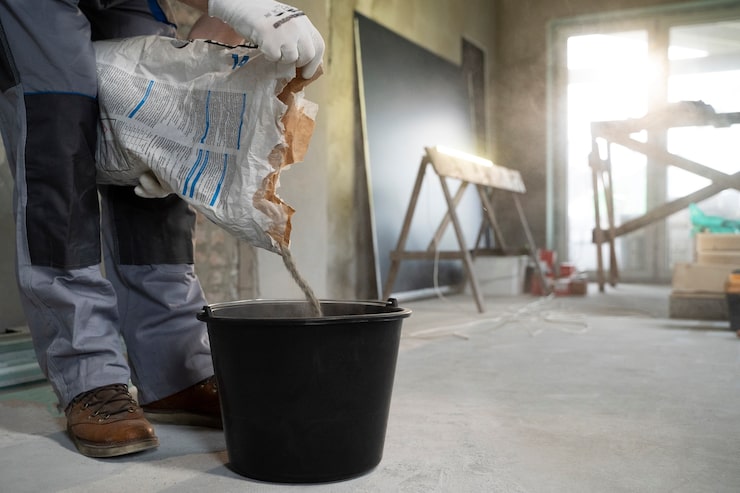
Basement waterproofing is the process of controlling or stopping water intrusion through the basement walls, floors, footing area, and surrounding foundation. Depending on the source of the problem, that can include interior drainage, sealants, moisture barriers, sump pump installation, exterior foundation waterproofing, structural drying after a flood, or crawl space moisture control when the lower level and crawl space are connected. MMRG’s current site architecture reflects exactly that kind of full-system approach, with separate pages for interior waterproofing, exterior foundation waterproofing, sump pumps, emergency water extraction, structural drying, crawl space encapsulation, and vapor barriers.
A lot of homeowners search for terms like basement waterproofing near me, waterproofing inside basement, or permanent basement waterproofing because they want a straight answer. The straight answer is this: permanent results usually come from matching the solution to the source of the water, not from applying one product everywhere. EPA and CDC guidance both center moisture control as the real key to preventing mold and repeat damage.
Why Middletown basements are especially vulnerable to water damage
Middletown’s official floodplain information makes this clear. The township says it has 3,401 buildings and 4,623 acres in the Special Flood Hazard Area. It also explains that local flooding can come from two different directions: coastal or tidal flooding, and rainfall-induced flooding. That is exactly why a wet basement in Middletown is often more than a one-time inconvenience.
The township also notes that its more densely populated neighborhoods overlap with the Special Flood Hazard Area and higher levels of impervious cover. In plain English, that means water has fewer places to soak into the ground and more chances to pond near foundations, driveways, and lower-level entry points. Middletown specifically recommends maintaining gutters and downspouts, improving lot grading, sealing foundation cracks, and protecting utilities above flood levels.
That local flood picture has become more important, not less. Middletown’s floodplain office says the NJDEP REAL Rule, adopted on January 20, 2026, created a new climate-adjusted flood layer, and the Tidal Climate Adjusted Flood Elevation can add 4 feet of required elevation to structures and utility mechanicals in affected areas. The township also warns that some homes outside the current FEMA flood zone may still fall inside that newer climate-adjusted zone.
How basement waterproofing helps prevent costly water damage
1. It stops repeat seepage before it ruins finishes and storage
A basement that only gets “a little wet” is still at risk. Repeated moisture can damage drywall, baseboards, carpet, laminate, wood storage shelves, and anything sitting directly on the slab. MMRG’s basement waterproofing page points out the practical reality: you cannot safely finish or furnish a basement that regularly takes on water.
2. It helps prevent mold growth
CDC says mold grows where there is moisture, including after flooding, and EPA says wet or damp materials should be dried within 24 to 48 hours or mold may develop. That is one of the biggest reasons waterproofing matters. A water problem that keeps returning becomes a mold problem sooner than many homeowners expect.
3. It protects the foundation and the structure above it
When water presses against foundation walls or moves through cracks and slab joints, it does not just create puddles. It can gradually damage framing, finishes, subfloors, and foundation materials. MMRG’s waterproofing and exterior foundation pages both position basement and foundation moisture control as part of long-term structural protection.
4. It lowers the chance of emergency cleanup costs later
Standing water often leads to extraction, drying, and dehumidification work on top of the original leak problem. MMRG’s emergency water extraction and structural drying pages both frame fast removal and drying as essential to minimizing restoration costs and preventing mold after flooding.
Most interior basement waterproofing projects in Middletown start with water control
Most interior basement waterproofing projects in Middletown are not solved with paint alone. They begin with identifying where water is entering and then using interior drainage, sealants, moisture barriers, and often a sump pump to manage seepage that is already reaching the basement. That is consistent with MMRG’s interior waterproofing page, which lists drainage installation, moisture barriers, crack sealing, basement floor and wall waterproofing, and sump pump solutions as core elements of interior waterproofing work.
That matters because many homeowners still search for basement waterproofing paint, waterproof paint for basement walls, or how to waterproof basement walls from inside. A coating can have a role in a broader system, but a coating by itself does not relieve outside water pressure, redirect runoff, improve grading, or remove water that is already collecting below the slab. EPA and Middletown both emphasize moisture control and redirecting water away from the house, which is why professional waterproofing systems usually outperform cosmetic-only fixes.
Interior vs. exterior basement waterproofing
Interior basement waterproofing
Interior waterproofing is usually the better fit when the main problem is seepage through wall-floor joints, damp basement walls, recurring puddles after storms, or moisture that must be controlled from the inside with drainage and pump systems. MMRG describes interior work as drainage, sealants, and moisture barriers designed to prevent water intrusion, mold growth, and structural damage.
Exterior basement waterproofing
Exterior basement waterproofing, also called basement exterior waterproofing or external basement waterproofing, focuses on stopping water before it reaches the foundation wall. MMRG’s exterior foundation page describes this as sealants, coatings, and drainage systems designed to prevent water infiltration, basement flooding, and foundation damage.
Which is the best basement waterproofing option?
The best way to waterproof a basement depends on the source of the water. If the main issue is interior seepage and hydrostatic pressure relief, interior systems may be the right first step. If the problem is exterior foundation exposure, drainage failure, or major wall leakage from outside, exterior work may make more sense. In some homes, especially older ones, the best result is a combined plan.
Common causes of basement water intrusion in Middletown homes
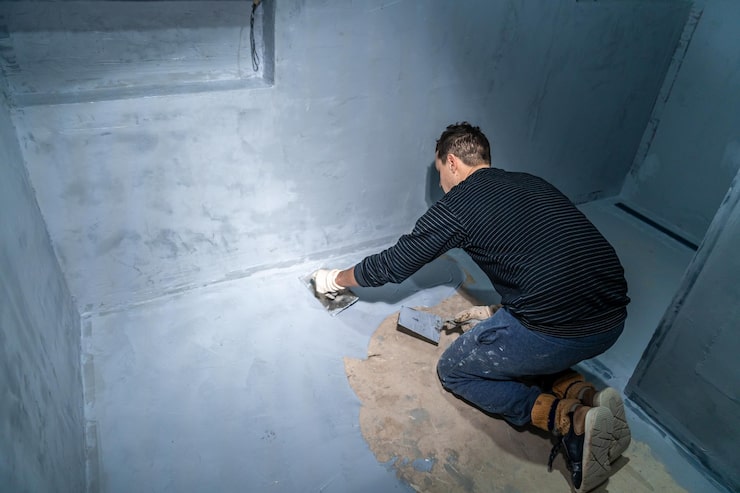
Some of the most common reasons basements get wet in Middletown include:
- hydrostatic pressure against the foundation
- foundation cracks and cove-joint seepage
- poor grading around the house
- clogged or undersized gutters and downspouts
- stormwater ponding near the foundation
- high groundwater
- crawl space moisture spreading into the lower level
- failed or missing sump systems
These causes line up with Middletown’s own homeowner guidance to maintain gutters and splashpads, clear drainage routes, improve lot grading, seal foundation cracks, and protect utilities in flood-prone settings.
Real-world examples homeowners can relate to
One common scenario is the “mostly dry” finished basement that only leaks during driving rain. The carpet dries, the owner runs a fan, and everyone moves on. Then the odor starts, trim swells, and stored items feel damp. That pattern fits what EPA and CDC warn about: if materials stay wet long enough, mold becomes much more likely.
Another common scenario is a homeowner being told they need a full waterproofing system when the main issue is actually mold or trapped moisture from another source. One MMRG testimonial describes exactly that kind of situation, where a previous company pushed a waterproofing system that was not actually needed, while MMRG used thermal imaging to diagnose the issue more carefully. That is a useful EEAT reminder: good waterproofing starts with diagnosis, not sales pressure.
A third example is the homeowner who already had a wet basement problem fixed and finally noticed the musty smell was gone. Another MMRG testimonial specifically mentions basement waterproofing plus a mold-resistant wall coating that solved a persistent odor issue.
Common homeowner mistakes that make water damage worse
The mistakes we see most often are simple, but expensive:
- waiting through several storms before getting an inspection
- assuming a dehumidifier alone will solve active seepage
- painting over damp walls without fixing the water route
- finishing a basement before the moisture problem is solved
- ignoring downspout discharge and yard grading
- leaving wet drywall, carpet, or stored materials in place too long
EPA and CDC guidance backs up that urgency. Both stress fast drying after leaks or floods, and CDC specifically warns not to use carpet in moisture-prone basement areas.
Basement waterproofing cost in Middletown, NJ
Homeowners also want a direct answer on how much does it cost to waterproof a basement. The honest answer is that basement waterproofing cost depends on the size of the basement, how water is entering, whether the job is interior or exterior, whether you need a sump pump, and whether flood cleanup, drying, or mold work must happen too.
As a general benchmark from MMRG’s current service pages:
- interior basement waterproofing in NJ is listed at roughly $2,000 to $10,000
- exterior foundation waterproofing is listed at roughly $3,000 to $12,000
- emergency water extraction is listed at roughly $500 to $3,000, depending on volume and complexity
Those are useful planning ranges, but an on-site inspection is still the only reliable way to price a real Middletown waterproofing job.
Prevention tips for a waterproof basement
If you want to reduce the odds of future water damage, start with the basics Middletown and EPA both highlight:
- Clean and maintain gutters, downspouts, and splashpads.
- Make sure runoff is directed away from the house.
- Improve lot grading if water collects near the foundation.
- Seal visible foundation cracks.
- Test your sump pump before storm season.
- Dry wet materials quickly after any leak or flood.
- Keep basement humidity low, ideally no higher than 50%.
- Avoid carpeting or water-sensitive finishes in chronically damp basements.
Safety warning
If you are cleaning mold or flood-affected surfaces yourself, CDC says to ventilate the area, wear gloves and eye protection, and never mix bleach with ammonia or other cleaners because that can produce poisonous gas.
Basement and crawl space waterproofing often go together
In many New Jersey homes, basement moisture is not a basement-only issue. Crawl space humidity can move upward, worsen musty odors, and raise moisture levels in the lower part of the house. That is why basement and crawl space waterproofing sometimes needs to be planned together, especially when there is exposed earth, persistent humidity, or lower-level mold. MMRG’s crawl space pages specifically connect vapor barriers, encapsulation, dehumidification, and moisture control to mold prevention and structural protection.
Nearby areas we serve around Middletown
This article focuses on Middletown, but the same waterproofing concerns show up across Monmouth County and beyond. MMRG’s service area page specifically lists Middletown, Belford, Atlantic Highlands, Holmdel, Deal, Eatontown, Oceanport, Rumson, Colts Neck, Tinton Falls, Little Silver, Monmouth Beach, Long Branch, Union Beach, Marlboro Township, Edison, Jersey City, and Seaside Heights among its active areas, while the homepage states the company serves homeowners throughout all of New Jersey.
When to Call a Professional in Middletown, NJ
Call a professional if you notice any of the following:
- water entering after heavy rain
- damp walls or a wet basement floor
- musty odors that return after drying
- visible mold or staining
- white mineral residue on masonry
- a sump pump that cannot keep up
- repeated cleanup after storms
- basement moisture spreading into crawl space or subfloor materials
That is the point where a basement waterproofing specialist can inspect the source, recommend the right system, and help you avoid paying for cleanup over and over again.
Why Choose Us for Basement Waterproofing in Middletown, NJ
MMRG is already positioned online as a New Jersey company that focuses on moisture-related issues at the source. The site highlights 25+ years of experience, certifications from IAQ, ESA, and IICRC, free mold inspections, statewide New Jersey coverage, and a focus on permanent solutions rather than temporary fixes. That matters for Middletown homeowners because the right waterproofing company should understand flood-prone local conditions and also know when waterproofing needs to be paired with drying, sump pump work, crawl space control, or mold remediation.
Just as important, your current site shows the exact supporting services that wet-basement jobs often need: interior basement waterproofing, exterior foundation waterproofing, sump pump installation, emergency water extraction, structural drying and dehumidification, crawl space encapsulation, and crawl space moisture control. That makes the company a stronger fit for homeowners who do not want a one-dimensional fix.
Ready to protect your basement before the next storm?
If you are dealing with seepage, damp walls, musty odors, or repeat flooding, the right time to act is before that moisture turns into mold, damaged finishes, or foundation repairs. Visit MMRG’s Basement Waterproofing & Flood Cleanup in NJ service page to learn more about inspections, waterproofing options, and next steps for your home.
Local FAQs
Is basement waterproofing worth it in Middletown, NJ?
Yes, because Middletown has documented flood-risk conditions and local guidance emphasizes protecting homes from both coastal and rainfall-related flooding.
What is the best way to waterproof a basement?
The best method depends on how water is entering, but the most effective plans usually combine diagnosis, moisture control, drainage, and either interior or exterior waterproofing matched to the source.
How much does it cost to waterproof a basement in New Jersey?
MMRG’s current service pages list typical ranges of about $2,000 to $10,000 for interior waterproofing and about $3,000 to $12,000 for exterior foundation waterproofing, with exact pricing based on the property and problem.
Can waterproofing help stop mold in the basement?
Yes, because EPA and CDC both stress that controlling moisture is the key step in preventing mold growth after leaks, seepage, and flooding.
Is waterproof paint enough for basement walls?
Usually no, because paint does not correct drainage, grading, hydrostatic pressure, or active water entry, which is why professional waterproofing systems focus on moisture control and water management.
When should I call a basement waterproofing company near me?
You should call when water keeps returning, the basement smells musty, mold appears, or you notice damp walls, seepage, or a failing sump system.
Do you serve areas outside Middletown?
Yes, MMRG lists Middletown along with nearby Monmouth County towns and states that it serves homeowners throughout New Jersey.