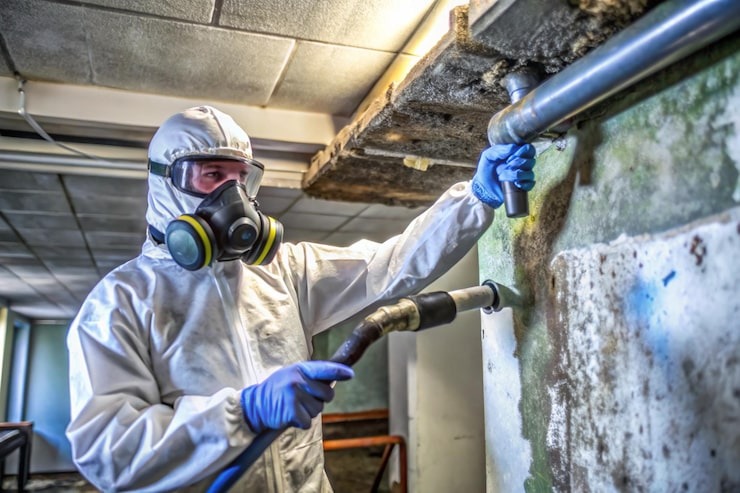
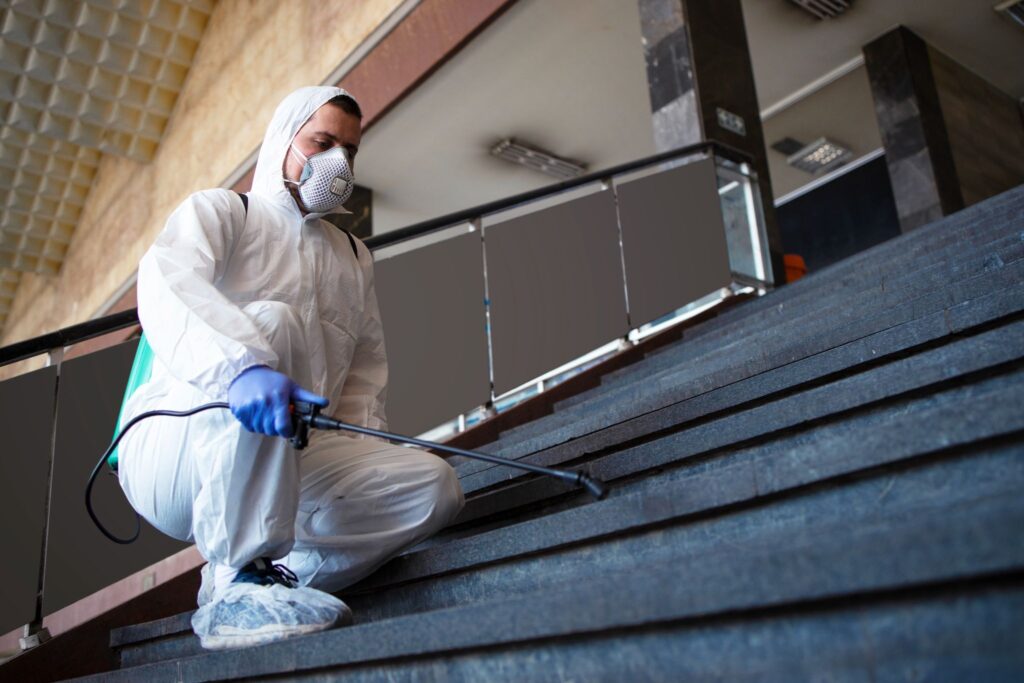
Crawl space mold prevention in Deal, NJ starts with one simple rule: keep moisture out and keep humidity under control. Because Deal is a coastal New Jersey community, homes are often exposed to damp air, heavy rain, groundwater issues, and seasonal humidity that can create the perfect environment for crawl mold.
The best crawl space mold prevention plan includes proper drainage, a sealed vapor barrier, a crawl space dehumidifier, routine inspections, and fast cleanup after any water intrusion. If you already see mold, smell musty odors, or notice standing water, it is usually time to call a professional water damage restoration service before the problem spreads into the living space.
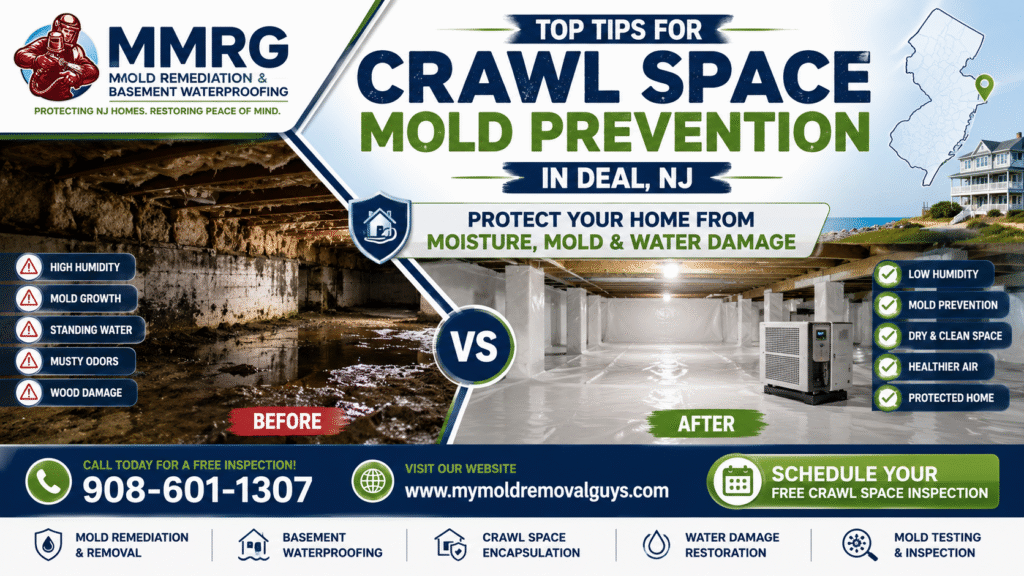
Why Crawl Space Mold Prevention Matters in Deal, NJ
Many homes in Deal, Long Branch, Allenhurst, Asbury Park, Ocean Township, and other Jersey Shore communities have crawl spaces that are vulnerable to moisture. Even when the main living area feels dry, the crawl space can trap damp air beneath the home.
Mold needs three basic things to grow:
- Moisture
- Organic material, such as wood, insulation, cardboard, or dust
- Poor airflow or humid conditions
A crawl space often has all three. Wood floor joists, subflooring, insulation, foundation walls, and stored materials can all support mold growth when the area stays damp.
For homeowners in Deal, NJ, crawl space mold prevention is not just about appearance. Mold in a crawl space can lead to musty odors, indoor air quality concerns, wood deterioration, insulation damage, and recurring moisture problems. Since air from the crawl space can move upward into the home, a moldy crawl space may affect the rooms above it.
What Causes Mold in Crawl Spaces?
Crawl space mold usually starts with a moisture problem. The mold is the symptom; the water or humidity is the cause.
Common causes include:
- Groundwater seepage
- Heavy rain or coastal storms
- Poor grading around the foundation
- Clogged gutters
- Downspouts draining too close to the home
- Plumbing leaks
- Condensation on ductwork or pipes
- Missing or damaged vapor barriers
- Open crawl space vents during humid weather
- Wet insulation
- Construction materials that were enclosed before drying
In Deal and nearby Monmouth County areas, coastal humidity and storm-driven rain can make these issues worse. A crawl space that stays slightly damp for weeks or months can develop mold even without a major flood.
Do Most Crawl Spaces Have Mold?
Not every crawl space has mold, but many crawl spaces are at risk because they are naturally dark, enclosed, and exposed to ground moisture. A clean, dry, well-sealed crawl space should not have active mold growth.
However, mold becomes more likely when:
- Humidity stays high
- There is standing water
- The crawl space smells musty
- Wood looks stained or fuzzy
- Insulation is sagging or wet
- The floor is dirt or poorly covered
- There has been flooding, construction moisture, or a leak
If you are asking, “Do most crawl spaces have mold?” the better question is: “Does my crawl space have a moisture problem?” If the answer is yes, mold prevention should be addressed quickly.
Common Crawl Space Mold Types
Homeowners often describe crawl space mold by color, but color alone does not confirm the exact mold type. A professional inspection is the safest way to understand the extent of the issue.
Common crawl space mold types may appear as:
White Mold
White mold may look powdery, fuzzy, or patchy on wood framing or floor joists. It is sometimes confused with efflorescence on masonry, which is a mineral deposit rather than mold.
Black or Dark Mold
Dark mold staining on wood, insulation, or foundation surfaces can be concerning, especially when paired with moisture or musty odors. Not all black-colored mold is the same species, but it should still be handled carefully.
Green Mold
Green mold can grow on damp organic materials, including wood, cardboard, and insulation backing.
Brown or Yellow Mold
Brown or yellowish mold may appear in humid crawl spaces, especially where wood or debris has stayed damp.
The most important point is this: if you see crawl mold, do not just spray it and ignore it. The moisture source must be corrected, or the mold can come back.
Best Crawl Space Mold Prevention Tips for Deal, NJ Homes
The best crawl space mold prevention strategy is a combination of moisture control, drying, sealing, and maintenance.
1. Control Crawl Space Humidity
Humidity is one of the biggest causes of crawl space mold. Even without visible flooding, humid air can condense on wood, pipes, ductwork, and insulation.
A crawl space dehumidifier can help keep moisture levels under control. Unlike a standard household dehumidifier, a crawl space dehumidifier is designed for enclosed, low-clearance spaces and continuous moisture control.
Professional tip: install a humidity monitor so you can check conditions regularly without guessing.
2. Fix Standing Water Immediately
If you have water in your crawl space, do not wait for it to dry on its own. Standing water can soak insulation, damage wood, and create mold growth quickly.
Common signs of crawl space water problems include:
- Puddles
- Muddy soil
- Damp foundation walls
- Rusty metal supports
- Wet insulation
- Musty smells indoors
- Condensation on pipes
- Soft or stained wood
If you are wondering who to call for water in crawl space areas, call a water damage restoration service that handles crawl space drying, water removal, moisture control, and mold prevention.
3. Improve Exterior Drainage
Many crawl space moisture problems begin outside the home. Water should always move away from the foundation.
Check these areas:
- Gutters
- Downspouts
- Soil grading
- Drainage around foundation walls
- Window wells
- Low spots near the home
Downspouts should discharge water away from the structure. If water pools against the foundation after rain, it can eventually enter the crawl space.
4. Install a Vapor Barrier
A vapor barrier helps block ground moisture from rising into the crawl space. This is especially important for dirt-floor crawl spaces or crawl spaces with exposed soil.
A proper vapor barrier should be durable, sealed at seams, and installed to cover the ground surface. In many cases, a vapor barrier is part of a larger crawl space encapsulation system.
Although some people search for “bay area crawl space encapsulation,” homeowners in Deal, NJ should look for crawl space encapsulation and moisture control services designed for New Jersey weather, coastal humidity, and local foundation conditions.
5. Seal Air Leaks and Openings
Old crawl space vents, gaps around pipes, rim joists, and foundation penetrations can let humid air enter. When warm humid air meets cooler crawl space surfaces, condensation can form.
Sealing these openings can reduce humidity swings and improve mold prevention.
6. Remove Wet Insulation and Debris
Wet insulation can hold moisture against wood framing and become a mold reservoir. Cardboard boxes, paper, old wood scraps, and stored items can also support mold growth.
A clean crawl space is easier to inspect and maintain.
Remove:
- Cardboard
- Paper
- Old wood
- Fallen insulation
- Damp storage items
- Organic debris
- Trash left from construction work
7. Inspect After Storms and Heavy Rain
Deal, NJ homes can experience moisture issues after coastal storms, heavy rain, and seasonal weather changes. A quick crawl space inspection after major rain can help catch problems early.
Look for:
- New water stains
- Damp soil
- Wet walls
- Musty odor
- Pests
- Sagging insulation
- Condensation
- Mold spots on wood
DIY Crawl Space Mold Prevention
DIY crawl space mold prevention can be effective when the crawl space is mostly dry and there is no widespread mold growth. Homeowners can take several practical steps to reduce risk.
DIY Crawl Space Mold Prevention Checklist
Use this checklist every season:
- Check for standing water after rain.
- Make sure gutters are clean.
- Extend downspouts away from the foundation.
- Remove cardboard and organic debris.
- Look for plumbing leaks.
- Monitor humidity.
- Use a crawl space dehumidifier if needed.
- Make sure the vapor barrier is intact.
- Inspect insulation for dampness.
- Call a professional if mold or water keeps returning.
Common DIY Mistakes
Many homeowners try to solve crawl space mold with a quick spray or surface wipe-down. Unfortunately, this usually does not solve the root issue.
Common mistakes include:
- Using bleach without fixing moisture
- Ignoring standing water
- Leaving wet insulation in place
- Covering mold with paint
- Installing a small household dehumidifier that cannot handle crawl space conditions
- Sealing a crawl space before drying it properly
- Entering a contaminated crawl space without protective gear
DIY maintenance is useful, but serious mold growth requires professional crawl space remediation.
Mold Prevention Spray for Crawl Space: Does It Work?
A mold prevention spray for crawl space surfaces may help after proper cleaning and drying, but it should never be the only solution. Sprays do not fix leaks, humidity, condensation, or poor drainage.
Use mold prevention spray only as part of a larger prevention plan that includes:
- Moisture correction
- Drying
- Cleaning
- Dehumidification
- Vapor barrier installation
- Drainage improvements
- Professional inspection when needed
If you apply a product while the crawl space is still wet, mold can return.
Crawl Space Mold Removal Products: What Homeowners Should Know
There are many crawl space mold removal products available, but not all are appropriate for every situation. Some products may only clean surface staining, while others may require safety equipment and careful application.
Before using any product, ask:
- Is the mold area small or widespread?
- Is the wood still wet?
- Is there standing water?
- Is insulation contaminated?
- Is the crawl space properly ventilated during cleaning?
- Are you wearing protective gear?
- Has the source of moisture been fixed?
For small surface concerns, products may help. For widespread mold, recurring growth, or water damage, professional crawl space mold remediation is the safer choice.
How to Get Mold Out of Your Crawl Space
If you want to know how to get mold out of your crawl space, the correct process is not just “spray and wipe.” A proper approach focuses on moisture, removal, drying, and prevention.
Step 1: Identify the Moisture Source
Find out why mold developed. Look for leaks, drainage issues, condensation, or groundwater.
Step 2: Stop the Water Problem
Repair plumbing leaks, improve drainage, install pumps if needed, and prevent new water intrusion.
Step 3: Remove Wet or Contaminated Materials
Wet insulation, debris, cardboard, and damaged materials should be removed safely.
Step 4: Clean Affected Surfaces
Wood framing, subflooring, masonry, and other affected surfaces may need professional cleaning or treatment.
Step 5: Dry the Crawl Space
Use professional drying equipment, air movement, and dehumidification to reduce moisture.
Step 6: Prevent Regrowth
Install vapor barriers, seal leaks, use a crawl space dehumidifier, and schedule periodic inspections.
This is also the best answer for homeowners asking how to get rid of mold in crawl space areas: remove the mold, but more importantly, remove the moisture source.
Crawl Space Mold Remediation in Deal, NJ
Crawl space mold remediation is the professional process of removing mold growth, correcting moisture problems, drying the area, and preventing regrowth.
A professional crawl space remediation service may include:
- Crawl space inspection
- Moisture readings
- Water removal
- Containment where needed
- Removal of contaminated insulation
- Cleaning of affected wood and surfaces
- Drying and dehumidification
- Vapor barrier installation
- Encapsulation recommendations
- Final prevention plan
In Deal, NJ, professional remediation is especially important when the crawl space has standing water, storm damage, recurring humidity, or visible mold across wood framing.
Mold in Crawl Space During Construction
Mold in crawl space during construction can happen when framing, subflooring, or foundation materials become wet and are enclosed before they fully dry. This can occur after rain, delays, poor site drainage, or insufficient ventilation.
Builders and homeowners should pay close attention to:
- Wet lumber
- Damp subflooring
- Moisture trapped behind insulation
- Uncovered crawl space soil
- Delayed drying before enclosure
- Poor temporary drainage during construction
Professional advice: never assume new construction is automatically mold-free. New materials can still grow mold if moisture is trapped during the building process.
Cost of Crawl Space Mold Prevention and Remediation in Deal, NJ
The cost of crawl space mold prevention or crawl space mold remediation in Deal, NJ depends on the condition of the crawl space and the level of work needed.
Factors That Affect Cost
Pricing may vary based on:
- Size of the crawl space
- Amount of mold growth
- Whether there is standing water
- Condition of insulation
- Need for water extraction
- Drying equipment required
- Vapor barrier installation
- Crawl space dehumidifier installation
- Drainage improvements
- Accessibility of the crawl space
- Structural concerns
Prevention Usually Costs Less Than Remediation
Preventing mold is usually more affordable than removing widespread mold, replacing insulation, drying wood, or repairing water damage. A dehumidifier, drainage repair, or vapor barrier can often help prevent larger future expenses.
If your crawl space already smells musty or shows visible growth, schedule an inspection before the issue becomes more expensive.
Local Crawl Space Mold Scenarios in Deal, NJ
As a water damage restoration service, we often see common patterns in coastal New Jersey homes.
Scenario 1: Musty Odor After Rain
A homeowner notices a musty smell after several days of rain. The living space looks clean, but the crawl space has damp soil and high humidity. In this case, drainage improvements and dehumidification may prevent mold before it spreads.
Scenario 2: Wet Insulation Under an Older Home
An older Deal-area home has sagging insulation and dark staining on wood joists. The cause may be condensation, poor airflow, or long-term moisture exposure. Wet insulation should be removed, and the crawl space should be dried properly.
Scenario 3: Water Pooling Near the Foundation
Downspouts discharge too close to the house, causing water to collect near the foundation. Over time, moisture enters the crawl space. Extending downspouts and correcting grading can reduce the risk of future crawl mold.
Crawl Space Mold Prevention Across New Jersey
MMRG Mold Remediation & Basement Waterproofing provides crawl space mold prevention, crawl space remediation, crawl space mold removal, mold testing, waterproofing, and water damage restoration services throughout Deal, NJ and surrounding New Jersey areas.
Service areas include Holmdel, Eatontown, Oceanport, Rumson, Edison, Colts Neck, Jersey City, Tinton Falls, Little Silver, Middletown, Monmouth Beach, Long Branch, Union Beach, Marlboro Township, Atlantic Highlands, Seaside Heights, Belford, and nearby NJ communities.
Whether your home is near the Jersey Shore, in Monmouth County, or elsewhere in New Jersey, crawl space moisture should be handled quickly before it leads to mold growth or structural damage.
When to Call a Professional in Deal, NJ
Call a professional in Deal, NJ when your crawl space has visible mold, standing water, recurring moisture, wet insulation, strong odors, or signs of wood damage.
You should not ignore crawl space mold because the air under your home can affect the air inside your home. Professional crawl space remediation helps identify the moisture source, remove contaminated materials, dry the area, and recommend long-term prevention.
You should also call a professional if you are unsure whether the growth is mold, if mold covers a large area, or if anyone in the home has respiratory concerns. Crawl spaces can contain electrical hazards, pests, contaminated water, and poor air quality, so safety matters.
Why Choose Us for Crawl Space Mold Prevention in Deal, NJ
MMRG Mold Remediation & Basement Waterproofing helps New Jersey homeowners solve crawl space mold and moisture problems with a practical, inspection-first approach.
Homeowners choose us because we offer:
- Crawl space mold removal
- Crawl space mold remediation
- Mold testing
- Water damage restoration
- Basement waterproofing
- Crawl space moisture control
- Foundation-related waterproofing solutions
- Free inspections for New Jersey homeowners
- Local service throughout Deal and nearby NJ areas
Our team looks for the reason mold is growing, not just the mold itself. If water is entering the crawl space, if humidity is too high, or if the area needs waterproofing or encapsulation, we explain the options clearly so you can make the right decision for your home.
Schedule Crawl Space Mold Service in Deal, NJ
If your crawl space smells musty, has standing water, shows visible mold, or feels damp, do not wait for the problem to spread. Moisture under your home can lead to mold, water damage, damaged insulation, and foundation concerns.
Schedule a free crawl space inspection with MMRG Mold Remediation & Basement Waterproofing today.
Learn more or request service here: https://www.mymoldremovalguys.com/crawl-space-mold-removal/
Local FAQs
What is the best crawl space mold prevention method in Deal, NJ?
The best crawl space mold prevention method in Deal, NJ is to control moisture with drainage repairs, a vapor barrier, dehumidification, and regular inspections.
Who should I call for water in my crawl space in Deal, NJ?
You should call a local water damage restoration service that handles crawl space water removal, drying, mold prevention, and remediation.
Can I do DIY crawl space mold prevention?
Yes, DIY crawl space mold prevention can help if you keep the area dry, inspect regularly, remove debris, and control humidity, but active mold or standing water should be handled professionally.
Does a crawl space dehumidifier prevent mold?
Yes, a crawl space dehumidifier helps prevent mold by reducing humidity, but it works best with proper drainage, sealing, and vapor barrier protection.
How do I get rid of mold in a crawl space?
To get rid of mold in a crawl space, fix the moisture source, remove contaminated materials, clean affected surfaces, dry the area, and prevent humidity from returning.
Are crawl space mold removal products enough?
Crawl space mold removal products may help with small surface issues, but they are not enough if the crawl space has leaks, standing water, wet insulation, or recurring humidity.
Do New Jersey crawl spaces commonly have mold?
New Jersey crawl spaces can commonly develop mold when humidity, storms, poor drainage, or groundwater create damp conditions under the home.